


IPv6 is the next-generation internet protocol. As IPv4 address resources stay tight long-term, IPv6 proxies are entering the cross-border practitioner’s toolkit. This article explains how IPv6 and IPv4 proxies differ in address resources, what IPv6 can and can’t do for social-media matrix operations, its limits, and when it’s worth considering. The core conclusion: IPv6’s biggest advantage is address-resource scale; its actual value depends on platform, tooling, network environment, and business scenario — it is not a full replacement for IPv4.
1. Why IPv6 Proxies Exist
- IPv4 address resources are tight: IPv4 uses a 32-bit address space with about 4.3 billion addresses theoretically. Global IPv4 resources have long been in a tight state, and RIR available pools are strictly limited — but this does not mean IPv4 exits the internet immediately: NAT, address transfers, and dual-stack still support IPv4 networks long-term
- IPv6 address space is enormous: IPv6 uses a 128-bit address space with about 3.4×10³⁸ addresses theoretically, vastly larger than IPv4. For scenarios needing many independent addresses, IPv6 has a clear edge in resource scalability. Actual resource cost and acquisition difficulty still depend on region, operator, ASN, network architecture, and supply model — it shouldn’t be read as “necessarily cheap or easy to get”
- Business shapes evolve: scenarios that need many exits and are insensitive to address type start treating IPv6 as a resource supplement
To be clear: tight IPv4 resources don’t mean IPv4 is about to be phased out. The internet remains in a long transition where IPv4 and IPv6 coexist — there is no “IPv4 stops working soon” situation.
2. IPv6 Proxies’ Potential Advantages
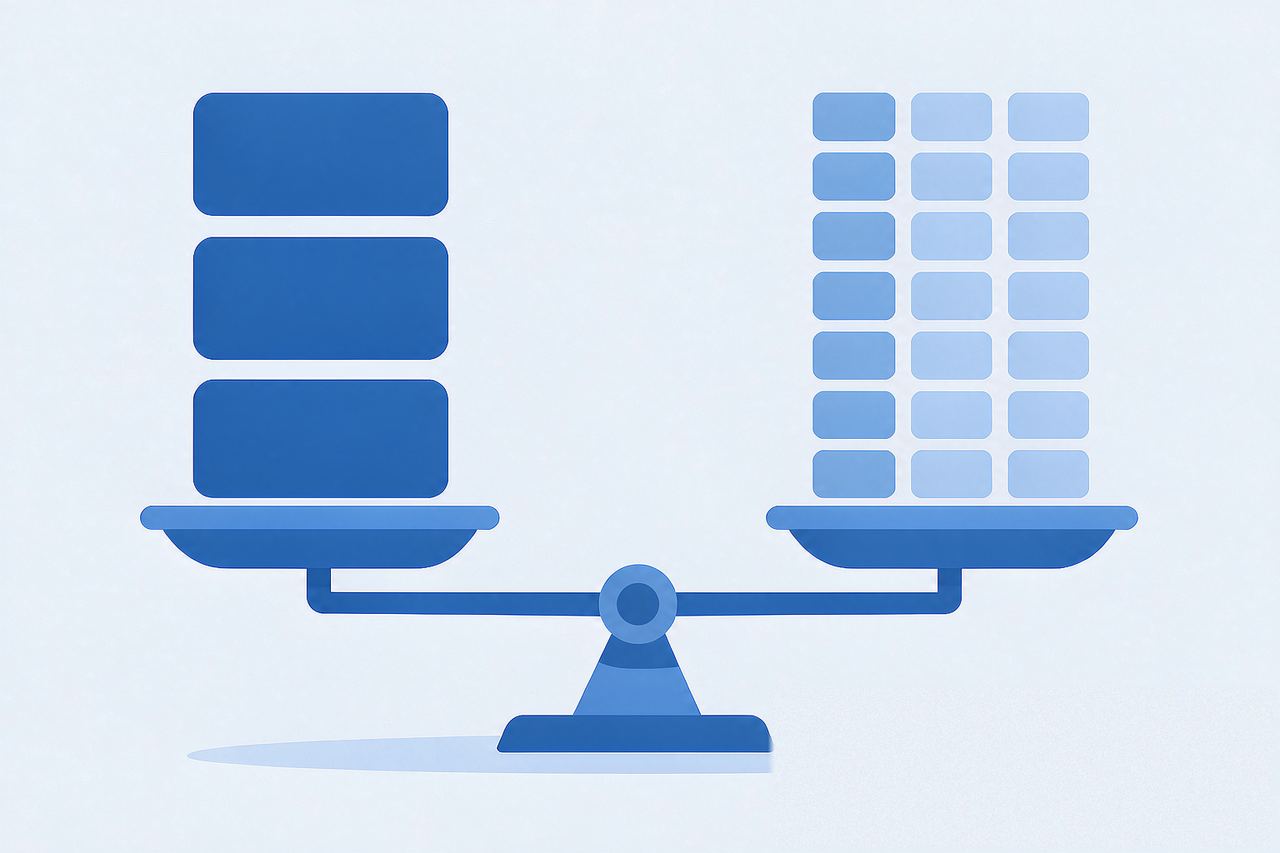
- Abundant address resources: IPv6’s address space is enormous, usually offering good scalability in resource-type scenarios needing many independent exits
- Cost advantage (conditional): some IPv6 proxy resources may have an edge in per-address cost, but actual pricing still depends on region, IP type, network quality, and supply model — don’t read it as “IPv6 is always cheaper”
- Technology trend: IPv6 is an important long-term direction for the internet, but IPv4 and IPv6 will coexist for a long while. IPv6 therefore fits better as a supplement to existing IPv4 resources rather than an immediate full replacement
Note: these are resource-level advantages — address-resource advantage ≠ platform-compatibility advantage ≠ business suitability.
3. Limits and Things to Watch
Key knowledge first: IPv6 proxies’ biggest advantage is address resources, not platform compatibility. Whether an IPv6 address can serve a specific business also depends on the target platform, browser, proxy software, network path, and the IP’s specific type.
1. Platform compatibility
Platforms, websites, and business systems may differ in their IPv6 support, so a proxy establishing a connection doesn’t prove it suits a specific business. For core business, verify in real environments. [Pending real-world test]
2. Usage barriers
Some tools, scripts, and environments have incomplete IPv6 support (e.g., certain anti-detect browsers or proxy tools with limited IPv6 config support), making setup costlier than IPv4.
3. Scenario fit
For social-media account operations, platforms evaluate multi-dimensional network signals. Whether IPv6 works depends on the platform’s specific support — don’t assume “IPv6 is cheap, so it fits.”
4. How to Think About IPv6 for Social-Media Matrices
If the business needs many independent network exits, and the target platform and operating tools stably support IPv6, then IPv6 can offer advantages in address scale and resource scalability.
But if the core need is long-term stable account operations, platform compatibility, specific regional attributes, or residential network characteristics, whether IPv6 fits still depends on the specific platform and IP type — don’t adopt it just because it’s “more addresses at lower cost.”
5. When IPv6 Proxies Are Worth Considering
| Scenario | Is IPv6 worth considering? |
|---|---|
| Tasks needing many different exits | ✅ Strong address-resource scalability |
| Large-scale tasks sensitive to per-IP cost | ✅ Some resources may have a cost edge |
| Social-media account operations | ⚠️ Depends on platform, tooling, and real testing |
| Scenarios with high platform-compatibility demands | ⚠️ Verify the target platform first |
Core advice: IPv6’s “more addresses, strong scalability” is a real advantage, but whether it fits your business should be decided by actual testing — especially platform compatibility.
6. FAQ
Q: Can IPv6 and IPv4 proxies be mixed?
A: Whether they can be mixed depends on IPv6 support in the OS, browser, proxy tool, and business platform. Even if the network layer supports dual-stack, it doesn’t mean all applications will use IPv6 as expected — mixing needs real verification.
Q: Do IPv6 proxies fit social-media account operations?
A: It can’t be generalized. IPv6 has advantages in address resources and scalability, but social platforms, browsers, and related tools differ in IPv6 support — rely on actual test results from the target platform.
Q: Will IPv6 fully replace IPv4?
A: IPv6 is the long-term direction, but based on how the internet actually runs today, IPv4 and IPv6 will coexist for a long time. Choose based on business compatibility, IP type, region, cost, and platform support.
7. Summary
IPv6 proxies’ clearest advantage is the enormous address space, with potential value in many-independent-exit and resource-scalability scenarios; but more addresses does not mean better platform compatibility, nor suitability for all social-media business.
Choosing IPv6 vs IPv4 shouldn’t be only about address count and price — weigh target-platform support, IP type, network quality, tooling compatibility, and actual business test results. IPv6’s core advantage is a huge address space with strong scalability; its core limits are platform/tooling compatibility and specific business fit; whether it’s worth using is ultimately decided by real business testing.
If you need large exit resources, choose between IPv4 and IPv6 based on platform compatibility and actual purpose: for business with high platform-compatibility demands, prefer mature IPv4 resources; for scenarios more sensitive to address scale and cost where the target platform confirms IPv6 support, consider IPv6 proxies. IPNut provides static datacenter IPv4/IPv6 resources selectable by region and business scenario; for account operations, see Static Residential ISP.
To judge IP type and ownership, see Native IP vs Datacenter IP.